
What Wine Goes With Spicy Food?

I love spicy food, but finding the right wine to drink with it can get interesting. On this particular night, Chicago was rainy and dreary, and I really wasn't in the mood to go out. So before heading home, I stopped at Sip Wine Bar in Tinley Park to see what I could find. One of the things I love about Sip is that you can taste different wines before committing to a glass or bottle. I tried a few different options before eventually landing on something familiar. From there, I picked up my usual spicy basil chicken from JoJo Asian Bistros, headed home, and settled in for the night. Everything was going pretty well until I bit directly into a hot pepper. That's when my wine choice really started to make sense.
How to Choose Wine for Spicy Food

Start With Flavor
One of the biggest mistakes you can make with spicy food is thinking only about how hot the dish is. There's usually much more happening on the plate. You might have fresh herbs, sweetness, acidity, rich sauces, savory flavors, or several of those things working together. All of that matters when you're deciding what to pour.
That's why I wouldn't automatically reach for the biggest wine I could find just because the food has a lot of flavor. With serious heat, a heavy, high-alcohol wine can actually make that heat feel more aggressive. Aromatic white wines give you another direction. Gewürztraminer, Riesling, Pinot Gris, Muscat, and Viognier are all styles worth exploring, and guides to pairing wine with spicy food specifically point toward aromatic whites when you want to contain rather than amplify the heat.
Taste Before You Commit When You Can
That's one reason my stop at Sip Wine Bar in Tinley Park worked out so well. Sip has self-serve wine machines with around 80 wines available for tasting, and you can choose a taste, half pour, or full pour before committing to more.
I tasted rosés, a white Bordeaux, and a semi-sweet Riesling. The Riesling could have made sense with spicy food on paper, but it wasn't what I wanted that night. After tasting around, I went back to something familiar: Trimbach Gewürztraminer from Alsace.
That ability to taste first matters because food and wine pairing shouldn't turn into a set of rules you have to follow. The guidelines can get you into the right neighborhood. Your palate still gets the final vote.
Why Gewürztraminer Works With Spicy Food

Aromatics and Ripe Fruit Can Handle Big Flavors
If you've never had Gewürztraminer, this is not your everyday quiet white wine. It's intensely aromatic, with the kind of floral, ripe-fruit, lychee, and spice character that can make an impression before you've even taken a sip.
That intensity becomes useful when there's a lot happening on the plate. A spicy dish can overwhelm a delicate wine pretty quickly, but Gewürztraminer has enough personality to stay present alongside bold flavors.
The style can also vary. You can find dry examples as well as richer expressions with more sweetness, so it's worth paying attention to the producer rather than assuming every Gewürztraminer will taste the same.
Trimbach Takes a Dry Approach
The bottle I chose came from Trimbach, an Alsace producer whose classic Gewürztraminer is made in a dry style. Trimbach describes the wine as particularly fruity and spicy and recommends it with spicy fish and meats as well as exotic spicy dishes.
That last part is pretty important considering where my night was headed.
After leaving Sip, I picked up my usual spicy basil chicken with rice from JoJo Asian Bistros, headed home, plated everything, and poured the wine.
Then I bit directly into a hot pepper.
And I needed that Gewürztraminer immediately.
Why Aromatic White Wines Handle Heat So Well

The Wine Needs Enough Personality to Stay in the Conversation
The Gewürztraminer's ripe fruit and aromatics gave me something completely different against the heat, while the wine had enough flavor of its own that it didn't disappear next to the chicken.
That's really what I want when I'm pairing an aromatic white with spicy food. I'm not expecting the wine to magically make the spice disappear. I want it to give my palate some contrast while still having enough character to stand beside everything happening in the dish.
Spicy basil chicken has heat, herbs, savory flavors, and plenty of intensity. A neutral white wine could easily get lost. Gewürztraminer doesn't have that problem.
A Little Sweetness Can Help, but It Isn't Required
You'll hear people recommend wines with a touch of sweetness for spicy food, and there's a good reason for that. An off-dry aromatic white can provide contrast against chile heat, particularly when the dish itself contains an element of sweetness. That's why Riesling comes up so often in these conversations.
But my dinner is a good reminder that sweetness isn't the only way to make the pairing work. The Trimbach I chose is dry, yet its fruit, aromatics, and intensity still made it a great partner for the spicy chicken. The producer itself recommends the wine with spicy dishes, so there's more happening in this pairing than simply “sweet wine cools spicy food.”
The Best White Wines to Try With Spicy Food

Riesling Is Still One of the Classics
I didn't choose the semi-sweet Riesling I tasted at Sip, but I wouldn't count Riesling out at all. It's one of the first wines I'd consider with spicy food, especially when the dish has some sweetness of its own.
Off-dry Riesling can give you fruit, freshness, acidity, and enough sweetness to create contrast with the heat. It's particularly useful with dishes that combine chile with ingredients like sweet sauces, fruit, or other slightly sweet components.
The fact that I preferred the Gewürztraminer that night doesn't make Riesling the wrong pairing. It simply wasn't the wine I wanted.
Gewürztraminer Brings More Aromatic Intensity
If you want something that really announces itself, this is where Gewürztraminer gets interesting. It can give you florals, ripe fruit, spice, and a fuller aromatic profile that makes it especially useful with boldly flavored food.
It's also a wine I'd consider with Asian dishes beyond the exact spicy basil chicken I had that night. Guides to pairing wine with chicken specifically recommend aromatic whites with complex Asian flavors and point to Alsace as one of the regions to explore.
Don't Stop at Those Two Grapes
Pinot Gris, Muscat, Viognier, and other aromatic whites can be worth exploring depending on what's on the plate.
That's where knowing the dish becomes more useful. If there's a sweet component, you might want a little residual sugar in the wine. If the dish is herbal and aromatic, look for a wine with enough fragrance and flavor to meet it. If the heat is really aggressive, I'd be especially careful about choosing something with a lot of alcohol.
Think about the whole dish, then start narrowing down the wine.
Wine Pairing Rules Are a Starting Point
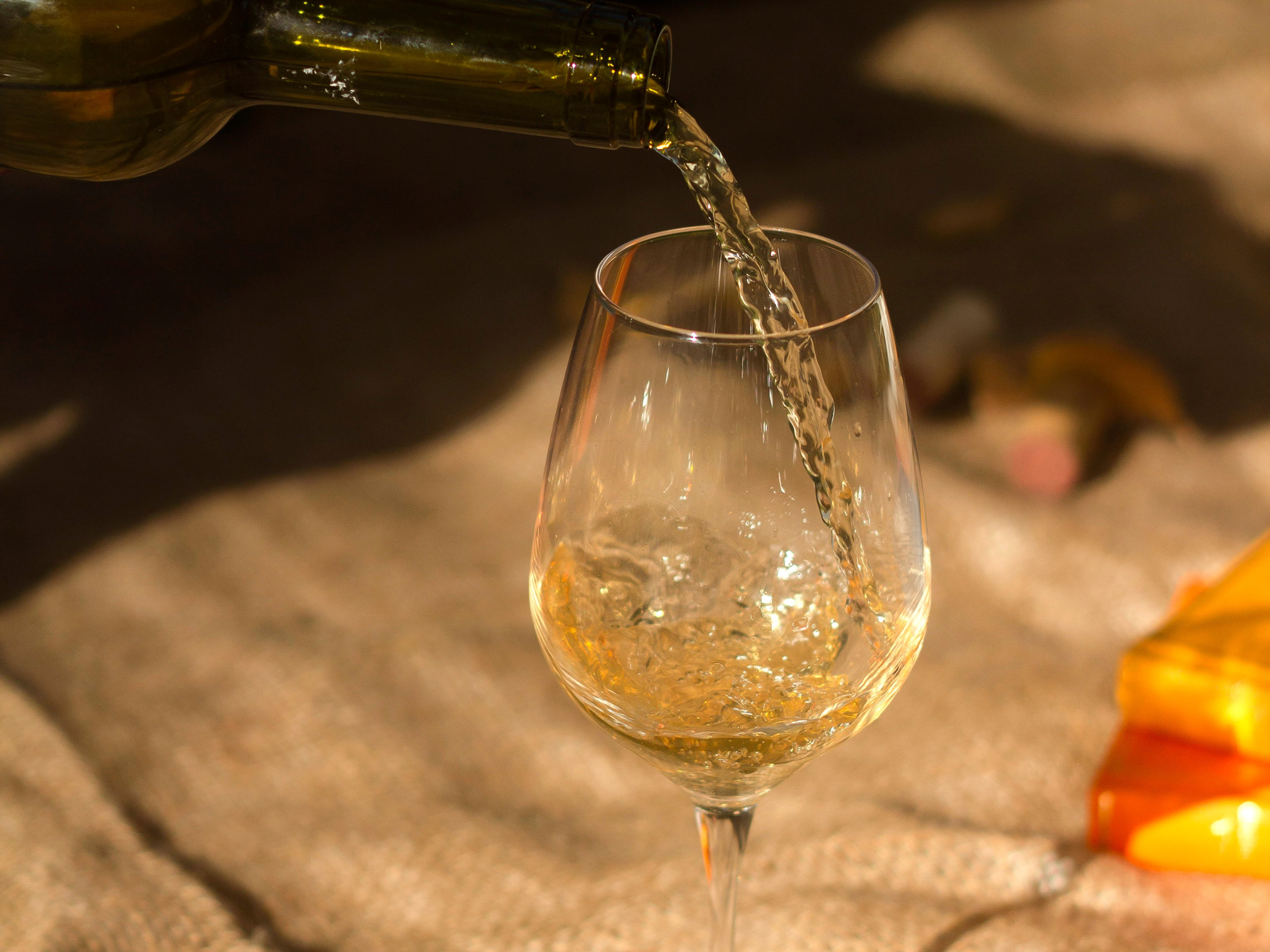
The “Correct” Wine Isn't Always the One You'll Enjoy Most
I think my Riesling tasting at Sip is actually a pretty good lesson here.
Riesling made sense. I tasted it. I could have bought it.
I didn't want it.
The Gewürztraminer was calling my name, so that's what came home with me.
There's a lot of useful knowledge behind food and wine pairing, and understanding things like sweetness, acidity, alcohol, tannin, and aromatic intensity can absolutely help you make better choices. But I never want that knowledge to make wine feel restrictive.
Let Your Palate Have the Final Say
The best way to get better at pairing wine with food is to taste. Try one combination and pay attention to what changes. Does the wine suddenly taste hotter? Does the food make the wine feel sweeter? Does one overpower the other? Or do they both become more interesting together?
Notice what's happening.
In the setup at Sip useful that evening, I could taste different styles, decide what I actually wanted, and then see how my choice performed once dinner was on the table.
And that hot pepper gave me a pretty definitive answer.
How to Pick a Bottle for Your Next Spicy Dinner

Ask Yourself These Questions Before You Buy
Rather than walking into a restaurant or a wine shop looking for one universal “wine for spicy food,” start with the dish you're actually eating. How intense is the heat? Is there sweetness in the sauce? Are there fresh herbs? Is the dish rich or fairly light? Are you dealing with chicken, seafood, beef, vegetables, or something else?
Then think about what you want the wine to do. Maybe you want something aromatic and expressive enough to stand beside all that flavor. Maybe a little sweetness would help. Maybe freshness and acidity matter more for the particular dish you're eating.
Those answers will get you closer to a good bottle.
Give Yourself More Than One Option
And if you have the opportunity to taste before you buy, take advantage of it. Try the Riesling. Try the Gewürztraminer. Try another aromatic white you've never had before.
You may end up choosing the classic bottle, or you may find yourself going in a completely different direction.
That's part of the fun.
The goal is to understand enough about the food and the wine to make a good choice, then trust your own palate once the glass is in front of you.
If you're staring at a spicy food and wondering what to pour, Gewürztraminer is a really good place to start, especially if you enjoy aromatic whites with plenty of personality. Its ripe fruit, floral character, spice, and range of styles give it a lot to work with when the food brings serious flavor. Trimbach itself recommends its Gewürztraminer with spicy and exotic dishes, and broader pairing guidance points toward aromatic whites for exactly this kind of food. But taste around when you can. Try the Riesling. Try the Gewürztraminer. Give something unfamiliar a shot. It's important to have in mind that you don't need to limit yourself to the “best” pairing on paper, it is worther if you take something you actually want to drink.
Frequently Asked Questions
What Wine Goes Best With Spicy Food?
Aromatic white wines are a great place to start. Gewürztraminer and Riesling are two classic options because their fruit, aromatics, and potential sweetness can work really well alongside heat. The exact choice depends on the dish and how spicy it is.
Is Gewürztraminer Good With Spicy Food?
Yes. Gewürztraminer can be a great match for spicy dishes because it's intensely aromatic and often shows ripe fruit, floral notes, and spice of its own. Depending on the style, some sweetness can also help balance the heat.
Is Riesling or Gewürztraminer Better With Spicy Food?
Both can work. Riesling can be especially good when you want bright acidity and some sweetness, while Gewürztraminer tends to have a richer, more intensely aromatic personality. I'd taste both if you have the opportunity and choose the one you actually want to drink.
Should I Drink Red or White Wine With Spicy Food?
You can drink either, but white wines are often easier to pair with serious heat. If you're choosing red, I'd be careful with high alcohol and aggressive tannin. For really spicy dishes, I usually want something refreshing rather than something that's going to make the experience feel even hotter.
Does Sweet Wine Help With Spicy Food?
A little sweetness can work beautifully with spicy food. You don't necessarily need a dessert-level sweet wine, though. An off-dry or slightly sweet aromatic white can provide enough contrast to make the pairing work.
What Should I Look for When Choosing Wine for Spicy Chinese Food?
Think about more than the heat. Look at the sauce, herbs, sweetness, acidity, and richness of the dish too. For something like spicy basil chicken, I'd look toward an aromatic white with plenty of flavor and enough personality to stay present alongside the food.


Comments