What to Order at Brunch When You're Tired of Mimosas

If you're looking for me in Chicago and can't find me, there's a pretty good chance I'm at Maple & Ash. This is easily one of my favorite restaurants in the city, and I've been there more times than I probably need to admit. But on this particular Sunday, I showed up for brunch with a specific mission: finding something good to drink when you're tired of the usual mimosas. Now, if you've ever experienced brunch at Maple & Ash, you know they don't exactly do things halfway. The whole experience is over the top, the food is incredible, and there's plenty to choose from. But while everyone else is thinking about orange juice and Champagne, I'm looking at the wine list. And guys, I think there's a really good alternative that deserves a little more attention.
Sunday Brunch at Maple & Ash in Chicago

A Brunch Experience That Goes All Out
Let me tell you, Maple & Ash knows how to do brunch.
If you've experienced brunch at Maple & Ash, you know the whole thing feels like a buffet on steroids. There's an abundance of food, the atmosphere is lively, and everything feels a little more extravagant than your typical Sunday morning outing. It's excessive in the best possible way, and that's part of what makes this place so much fun.
I've spent enough time at Maple & Ash to know that they take the dining experience seriously. And as someone who loves wine, one of my favorite things about the restaurant is that the beverage program gets just as much attention as the food.
Why the Wine List Deserves Your Attention
One thing I always appreciate about Maple & Ash is its wine program. They've got a beautiful temperature-controlled wine cellar, some incredible bottles, premium Champagne, and a selection that gives you plenty to explore.
You can tell wine is an important part of the experience here.
And while I love a good glass of Champagne, I wasn't necessarily looking to spend Champagne money that afternoon. I wanted something refreshing, something that would work with brunch, and something I could enjoy without feeling like I needed a special occasion to order it.
So I started talking to the sommelier.
My request was pretty simple.
Give me a still rosé.
Not sparkling. Not another mimosa. Just a good glass of dry rosé that I could enjoy with my meal.
And that's how I ended up with a wine from Provence.
Why Dry Rosé Is One of My Favorite Brunch Wines

A Refreshing Alternative to the Traditional Mimosa
Now, don't get me wrong. There's nothing wrong with a mimosa. Champagne and orange juice have been part of brunch culture for a long time, and I understand why people enjoy them.
But I think we get so accustomed to ordering the same thing at brunch that we forget there are other wines worth exploring.
A mimosa can be refreshing, but the orange juice adds sweetness and citrus flavor that might not complement everything you're eating. If you're having a savory meal, you may find that a dry wine gives you a little more flexibility.
That's one reason I love the idea of rosé at brunch.
You still get something bright and refreshing, but without the added orange juice. And if you choose the right bottle, there's enough acidity and fruit character to make it enjoyable alongside a pretty wide range of dishes.
What Made My Provence Rosé Such a Good Choice
The rosé I had at Maple & Ash was exactly what I was looking for.
I went with Roseblood Rosé from Provence, France.
It was crisp, refreshing, and had beautiful acidity. I picked up a little strawberry, some kiwi, and enough fruit to give the wine personality without overwhelming everything on the plate.
That's what I appreciated most about it.
The fruit was there, but the wine wasn't sweet or heavy. It had a clean, refreshing quality that made it easy to enjoy throughout brunch.
And guys, when you've got a table full of food, that's something worth paying attention to.
What Makes Provence Rosé So Good?
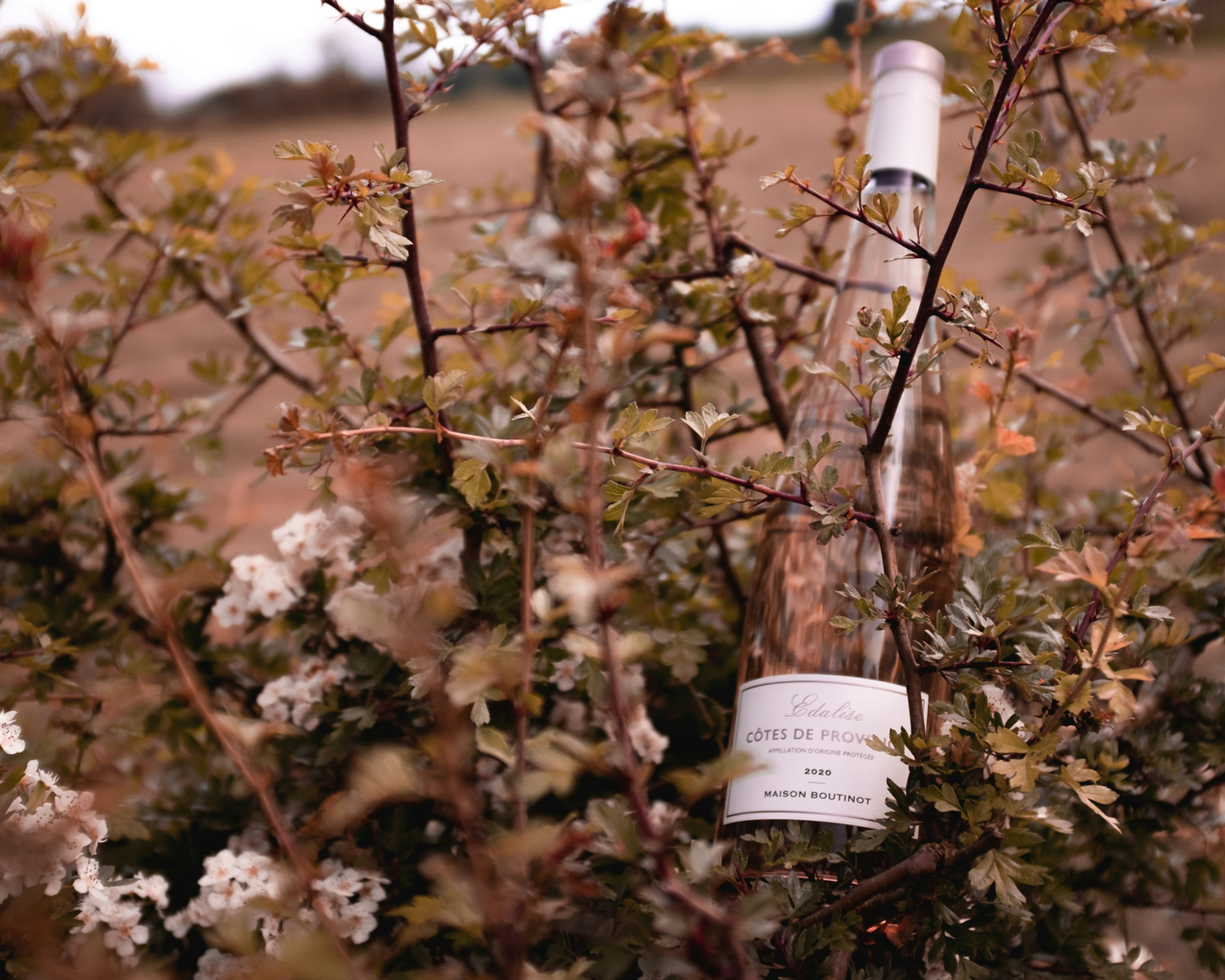
Understanding the Dry Rosé Style of Provence
If you're looking for a crisp, refreshing, dry-style rosé, Provence is one of the first places I'd recommend exploring.
This region in southern France has a long history of producing rosé, and it's particularly well known for wines that emphasize freshness, balance, and delicate fruit character.
Many Provence rosés are made using grapes such as Grenache, Cinsault, and Syrah, although the exact blend varies by producer and appellation.
These wines are often pale pink, but don't let the color fool you. A lighter color doesn't automatically mean a wine is sweeter, weaker, or less flavorful.
Some of the best examples have beautiful acidity, subtle red fruit, citrus notes, and a refreshing finish that makes them especially enjoyable with food.
Dry Rosé Doesn't Mean the Wine Has No Fruit
Here's something I think is worth explaining because it can be confusing when you're first getting into wine.
When we describe a wine as dry, we're generally talking about how much residual sugar is left after fermentation, not whether the wine has fruity flavors.
So a dry rosé can smell and taste like strawberries, raspberries, peaches, or other ripe fruits without actually being sweet.
That distinction matters when you're choosing wine.
The Provence rosé I enjoyed had those lovely strawberry and kiwi notes, but it still tasted crisp and dry. The fruit added character, while the acidity kept everything balanced.
If you've avoided rosé because you assume it's going to taste sweet, I'd encourage you to give a good dry Provence rosé a shot. You might discover an entirely different side of this wine category.
How to Pair Rosé Wine With Brunch Food

Why Acidity Matters With Rich Brunch Dishes
One of the most useful things to understand about wine pairing is acidity.
When a wine has good acidity, it can create a refreshing contrast with rich foods. Think about dishes that include butter, cheese, creamy sauces, or fatty meats. Those foods can leave your palate feeling coated, especially when you're eating several different things.
A crisp wine can make the next bite feel a little lighter.
That's part of why dry rosé can work so well at brunch. It has enough freshness to complement rich foods, but it doesn't necessarily have the weight or tannin structure of a big red wine.
And if you've read my thoughts on pairing wine with barbecue, you know I've had a similar experience with rosé before. Its ability to refresh your palate can be a real advantage when you're enjoying a variety of dishes.
Pairing Dry Rosé With Eggs, Seafood, and Savory Dishes
If you're trying to figure out what to order with your rosé, I'd start by looking at the flavors and preparation of the food.
Egg dishes can be a good match, particularly when you've got cheese, herbs, or vegetables involved. A dry rosé with lively acidity can complement those ingredients without dominating them.
Seafood is another direction worth exploring. Smoked salmon, shrimp, and lighter fish dishes can pair beautifully with a fresh rosé, especially when there's a little citrus or seasoning involved.
And if you're having something like roasted chicken, a savory tart, or a brunch dish with a creamy sauce, rosé can be a really useful option.
These are general pairing ideas rather than a list of what I ordered at Maple & Ash, but they're the kinds of combinations I'd consider when looking over a brunch menu.
What About Sweet Brunch Foods?
Sweet brunch dishes require a slightly different approach to wine pairing. Pancakes with maple syrup, French toast with sweet toppings, and chocolate-based dishes can make a bone-dry rosé taste sharper or more acidic.
In general, wines with a little residual sweetness tend to pair more comfortably with sugary foods. A useful guideline is to choose a wine that's at least as sweet as the dish you're serving.
That doesn't mean dry rosé can't be enjoyed alongside a sweet brunch. It simply means the pairing may be less balanced than it would be with savory dishes.
Still Rosé vs. Champagne: Which Is Better for Brunch?

You Don't Need Bubbles to Have a Great Brunch
Champagne is wonderful, and there's absolutely a place for it at brunch. I love the complexity, texture, and freshness you can get from a good bottle.
But you don't always need bubbles.
A still rosé can deliver that refreshing quality you're looking for while offering a different drinking experience. Depending on the wine, you might get bright berry flavors, delicate floral notes, or a little savory character.
And because you're not paying for the Champagne name or its traditional production method, you can often find excellent still rosé at a more approachable price.
That was part of my thinking at Maple & Ash. I wanted a wine that would make brunch enjoyable without feeling like I needed to order a premium bottle of Champagne.
When I'd Choose Champagne Instead
If I'm celebrating something special, Champagne might still be my first choice.
A good Brut Champagne can be fantastic with savory brunch dishes, particularly seafood, eggs, and foods with a little richness. The acidity and bubbles can create a refreshing contrast, while the wine's complexity adds another dimension to the meal.
If you enjoy exploring different Champagne styles, I also shared my thoughts on a rosé Champagne that really impressed me.
But if I'm just enjoying a relaxed Sunday brunch and want something crisp, delicious, and easy to drink, dry rosé is a really good option.
And remember, rosé Champagne and still rosé are different styles. Rosé Champagne is sparkling and made using Champagne's traditional production methods, while the Provence rosé I chose was a still wine.
How to Choose a Good Rosé at a Restaurant

Ask the Sommelier for the Style You Want
One of the easiest ways to find a wine you'll enjoy is to have a conversation with the sommelier.
That's exactly what I did at Maple & Ash.
You don't need to know every grape variety, producer, or vintage on the wine list. You just need to have a general idea of what you enjoy.
For example, you could say, "I'm looking for a dry, crisp rosé with good acidity and some fresh fruit. What would you recommend?"
That's enough information to get the conversation started.
And if you're working with a budget, say so. A good sommelier should be able to guide you toward something that fits what you're looking to spend.
I've talked about this in my other article on ordering wine at a restaurant, because I really believe people should feel comfortable asking questions about wine.
Pay Attention to Region, Style, and Price
Provence is a great starting point for dry rosé, but it's certainly not the only region producing excellent examples. You can also find beautiful dry rosés from the Loire Valley, Spain, Italy, and even California.
The important thing is understanding the style you're ordering.
Some rosés are delicate and citrus-driven, while others have more body, richer fruit, or a slightly savory character. The grape varieties, climate, and winemaking choices all influence what ends up in your glass.
Price is worth considering, too. A more expensive bottle isn't automatically going to be the one you enjoy most.
I'd rather have a well-chosen glass of rosé that works beautifully with my meal than spend more money on something that doesn't fit what I'm eating.
After another great Sunday at Maple & Ash, I'm even more convinced that we should be giving dry rosé a little more attention at brunch. The Provence rosé I ordered had everything I wanted: crisp acidity, refreshing fruit, and enough personality to enjoy with a meal without taking over. So the next time you're sitting down for brunch and everyone starts ordering mimosas, take a look at the wine list first. Ask about a dry Provence rosé, give it a shot, and see what you think. You might find yourself ordering it again the following Sunday. Cheers!
Frequently Asked Questions
What Is the Best Wine to Drink at Brunch Besides Mimosas?
Dry rosé is one of my favorite alternatives because it's refreshing, versatile, and works well with many savory brunch dishes. Sauvignon Blanc, dry Riesling, and sparkling wines are also worth exploring, depending on what you're eating.
Is Rosé a Good Wine for Brunch?
Absolutely. A crisp, dry rosé can complement eggs, seafood, chicken, and other savory brunch foods. Its acidity makes it particularly appealing when you're enjoying a rich meal or sharing several different dishes.
What Is the Difference Between Provence Rosé and Sweet Rosé?
Provence rosé is generally produced in a dry style, with fresh fruit flavors and noticeable acidity. Sweeter rosés contain more residual sugar. A wine can have strong strawberry or peach aromas and still be completely dry.
What Food Goes Best With Provence Rosé?
Provence rosé can work beautifully with smoked salmon, shrimp, egg dishes, roasted chicken, vegetable tarts, and lighter savory foods. The best pairing depends on the wine's acidity, body, and fruit character, along with how the food is prepared.
Is Rosé Cheaper Than Champagne?
Often, yes. You can find excellent still rosé at prices below many premium Champagnes. However, prices vary considerably by producer, region, and restaurant, so it's always worth checking the wine list.
Should Rosé Wine Be Served Cold at Brunch?
Yes. Dry rosé is generally best served chilled, around 45–55°F (7–13°C), depending on its style and body. Very cold temperatures can mute some of the wine's aromas, so there's no need to serve it ice-cold.
Can You Drink Rosé With Sweet Brunch Foods?
You can, but bone-dry rosé may not be the best match for very sweet dishes such as syrup-covered pancakes or heavily glazed French toast. Wines with some residual sweetness generally handle sugary foods better.


Comments