The Real Question Behind the Price of Wine
You've probably looked at two bottles sitting next to each other and wondered why one costs $30 while the other costs $100. Is the more expensive wine actually better, or are you paying for something else? Region, reputation, production costs, scarcity, and market conditions all have an influence, but consumers still have the final say through their buying decisions. Understanding that relationship can change the way you look at a wine list.
What Actually Goes Into the Price of a Bottle?

The Price Starts Long Before You See the Bottle
When you see a price on a wine shop shelf or restaurant wine list, you're looking at the final result of a much longer process. The cost of producing the wine is only one part of it. Grapes have to be grown, harvested, and turned into wine. The finished bottles then need to be packaged, transported, stored, and eventually sold.
Every step can affect the final price.
The vineyard itself matters too. Land in a highly regarded wine region can be expensive, and some vineyards produce smaller quantities of grapes than others. Production methods can also vary significantly. A producer who farms carefully, limits yields, spends more time in the cellar, or uses expensive barrels has a different cost structure than one producing wine at a much larger scale.
Then the bottle enters the trade.
Importers, distributors, retailers, and restaurants all make purchasing decisions based on their own costs and margins. Wine tariffs can become part of that equation as well, particularly when businesses are deciding which wines make sense to bring into their portfolios.
So when a bottle costs more, there may be very real reasons behind that number.
But that still doesn't tell you whether you'll enjoy it.
Region Can Change What You Expect From a Wine
Open a wine list and you'll quickly notice how much emphasis is placed on place. Napa Valley, Bordeaux, Burgundy, Tuscany, Champagne, Sonoma County, and countless other regions carry their own reputations.
Certain regions have spent generations establishing themselves as producers of highly sought-after wines. Some have strict production regulations, limited vineyard space, or a history that makes collectors willing to pay more. Others produce excellent wines without the same level of recognition, which can create opportunities for buyers who are willing to explore.
If you always associate a prestigious region with quality, you may naturally expect to pay more for its wines.
And sometimes, that's perfectly reasonable. A famous region may genuinely offer something special.
But it doesn't mean every bottle from that region will be the right bottle for you.
Why Some Wines Feel More Valuable

Reputation Has Real Influence
Think about the producers you already know. There are probably names that immediately make you expect a certain level of quality. You may have tasted their wines before, heard recommendations from someone you trust, or seen their bottles repeatedly on restaurant lists.
That familiarity creates confidence.
A producer with a strong reputation can command higher prices because people are willing to pay for the experience they expect to receive. In some cases, that reputation comes from decades of consistent winemaking. In others, scarcity and demand play a major role.
The same thing happens with individual bottles.
A wine that receives attention from critics, collectors, sommeliers, or influential restaurants can develop demand that pushes its price upward. Once fewer bottles are available than people want to buy, the market starts telling its own story.
But here's where you have to separate reputation from personal preference.
A famous wine can be excellent and still not match your taste. You might prefer a lesser-known producer whose wines are more aligned with what you enjoy drinking.
That's why knowing your own palate can be more useful than memorizing a list of prestigious names.
Scarcity Changes the Equation
Imagine two wines that are equally enjoyable to you. One is produced in large quantities and is readily available. The other comes from a small vineyard and only a limited number of bottles are released each year.
The second wine may cost considerably more.
Scarcity creates value because access itself becomes part of the appeal. Collectors may want a bottle because it's difficult to find, because a particular vintage was produced in limited quantities, or because they believe it will become harder to obtain later.
This is especially noticeable with highly sought-after wines.
Once demand rises and supply remains limited, price can move independently of what you personally experience in the glass. That's an important distinction when you're deciding what to buy. If collecting rare bottles is part of the experience you want, scarcity may be worth paying for. If you're looking for a great bottle to enjoy with dinner tonight, availability and personal taste might matter much more.
The price is telling you something.
It just isn't telling you everything.
How the Wine Trade Responds to Tariffs
Retailers and Restaurants Have to Make Choices
Wine tariffs don't exist in isolation. They become part of the larger calculation businesses make when deciding which wines to purchase.
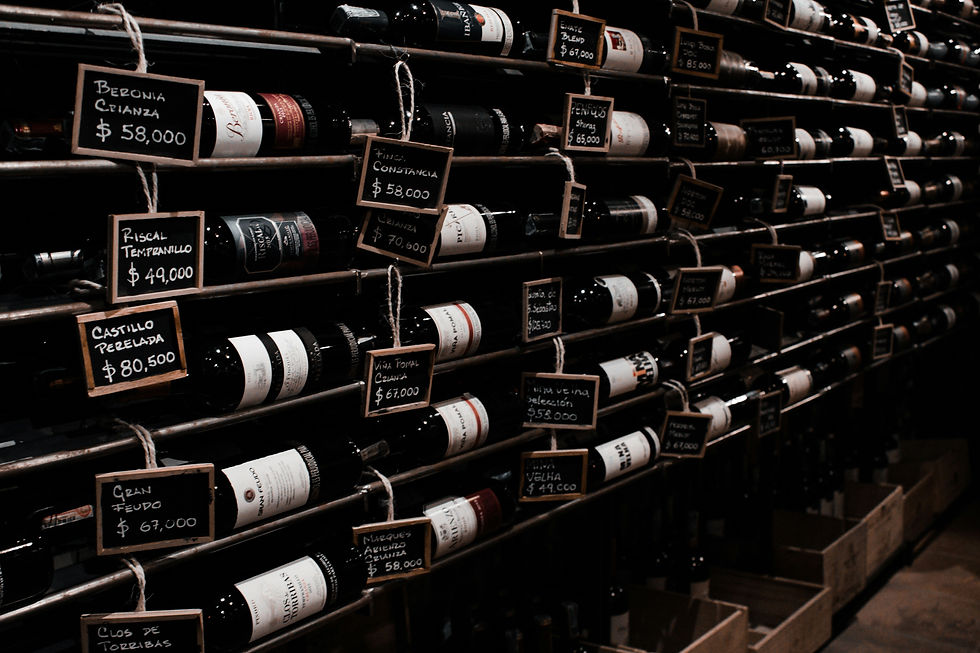
A retailer has limited shelf space. A restaurant has limited room on its wine list. Both need to decide which bottles make financial sense, which wines their customers are likely to buy, and how pricing will affect their margins.
When tariffs increase the cost of bringing certain wines into the country, those businesses have to respond. They may adjust purchasing decisions, reconsider certain suppliers, change prices, or look for alternatives that offer better value.
That doesn't mean every tariff increase will appear as an identical increase on the price tag.
The trade has options.
And those choices can influence what you see in a wine shop or sit down at a restaurant.
This is also where consumer behavior becomes important. If people stop buying a particular category because prices rise beyond what they consider reasonable, retailers and restaurants notice. If customers continue paying higher prices because they believe the wine is worth it, that sends a very different signal.
That's why perceived value matters so much.
You might look at a $25 bottle and think it's an incredible deal. Someone else might look at the same bottle and choose a $75 wine because they place more value on the producer, region, or reputation.
Neither decision automatically makes sense for everyone.
The interesting question is why you made yours.
What Really Drives Your Wine Purchase?

The Label Might Be Saying More Than You Think
Walk through a wine shop and pay attention to what catches your eye. Before you read the tasting notes or ask anyone for a recommendation, something usually gets your attention.
Maybe it's the label.
Maybe you've heard the producer's name.
Maybe the bottle looks expensive.
Packaging can influence our expectations, even when we don't realize it. A beautifully designed label can make a bottle feel more premium. A traditional-looking label may suggest history and craftsmanship. A minimalist design might communicate something completely different.
None of that tells you exactly what's inside the bottle.
But it can influence whether you pick it up in the first place.
The same thing can happen with a restaurant wine list. A familiar region or recognizable producer can give you a sense of security when you're deciding what to order.
That's not necessarily a bad thing. Familiarity can be useful.
The trick is recognizing when you're choosing a wine because you genuinely value what's in the bottle, and when you're choosing it because the presentation has shaped your expectations.
Does Price Influence Your Perception of Quality?
A $100 bottle isn't automatically going to give you twice the experience of a $50 bottle. And a $25 bottle can sometimes surprise you.
Price has a funny way of shaping our expectations about wine sometimes.
If you believe an expensive wine should taste better, you may pay closer attention to its details and interpret the experience differently.
At the same time, price does provide useful information. It can reflect production costs, limited supply, vineyard location, reputation, and demand. The mistake is assuming that price is a perfect measurement of quality.
Finding Value Without Chasing the Lowest Price

Ask Better Questions When You're Buying Wine
Finding value doesn't mean looking for the cheapest bottle on the shelf. It means figuring out what you're actually getting for the price.
When you're shopping, ask yourself what caught your attention. Do you know the producer? Are you familiar with the region? Have you enjoyed similar wines before? Is the bottle recommended by someone whose palate you trust?
At a restaurant, talk to the server or sommelier. Tell them the styles you enjoy and give them a budget. That gives them useful information and can open the door to bottles you might have overlooked.
If you want to get more comfortable making those decisions, our wine education articles cover different regions, producers, styles, and ways to approach wine with more confidence.
The goal is to stop letting price make the entire decision for you.
Explore Beyond the Familiar
Some of the best value in wine can appear outside the regions and producers you've already heard about. That's because reputation takes time to build, and emerging regions or lesser-known producers may not carry the same price premium.
Here is where curiosity pays off.
Try a grape you've never ordered. Ask about a region you don't recognize. Look for recommendations from people who understand your preferences rather than simply chasing highly rated bottles.
Wine gives you plenty of room to experiment, and you don't need a huge budget to do it.
Sometimes the best purchase is the bottle that makes you say, "I didn't expect to like this."
The price of a wine can tell you something about its production, origin, scarcity, reputation, and place in the market, but it can't tell you exactly how much you'll enjoy it. Tariffs can influence what happens within the trade, while retailers and restaurants make purchasing decisions based on costs, demand, and their customers. But you still have the final say every time you choose a bottle. Pay attention to what attracts you, question your assumptions, and give yourself permission to explore beyond the names and regions you already know. A more expensive wine can be worth the investment, but so can a bottle that costs far less and delivers exactly the experience you were looking for.
Frequently Asked Questions
Does a higher wine price mean better quality?
Not necessarily. Price can reflect production costs, region, scarcity, reputation, demand, and other market factors. A higher price doesn't guarantee that you'll enjoy the wine more.
How do wine tariffs affect prices?
Tariffs can increase the cost of importing wine, which may influence the purchasing decisions of retailers, restaurants, importers, and distributors. The effect on the final consumer price can vary depending on how businesses respond.
Why are European wines sometimes more expensive?
European wines can carry higher prices because of factors such as vineyard location, limited production, established reputation, demand, and the costs associated with importing them. Price varies considerably between regions and producers.
Does the region of a wine affect its value?
Yes. Certain wine regions have strong reputations built over generations, and that reputation can influence demand and pricing. Region can also affect production conditions and the style of wine being produced.
Why does scarcity make wine more expensive?
When only a limited number of bottles are available and demand is high, buyers may be willing to pay more to obtain the wine. Scarcity can therefore increase market value even when the wine's quality doesn't increase proportionally.
What makes a wine a good value?
A good value is a wine that delivers an experience you consider worthwhile for the price you pay. That can mean finding an affordable bottle you love or deciding that a more expensive wine offers qualities that justify the additional cost.
How can I make better wine buying decisions?
Start with your own preferences and budget, then consider the producer, region, style, and recommendations available to you. Don't assume that the highest price represents the best choice for your palate.


Comments